Fighting traps Ebola responders in Ituri as Congo’s outbreak passes 11,700 cases
WHO staff and patients sheltered in a maternity ward for more than a day as fighting raged near a hospital in Ituri; RFI reported they were evacuated to Bunia on 23 November. WHO calls insecurity the biggest obstacle to a response with no approved vaccine, as transmission shifts to North Kivu.
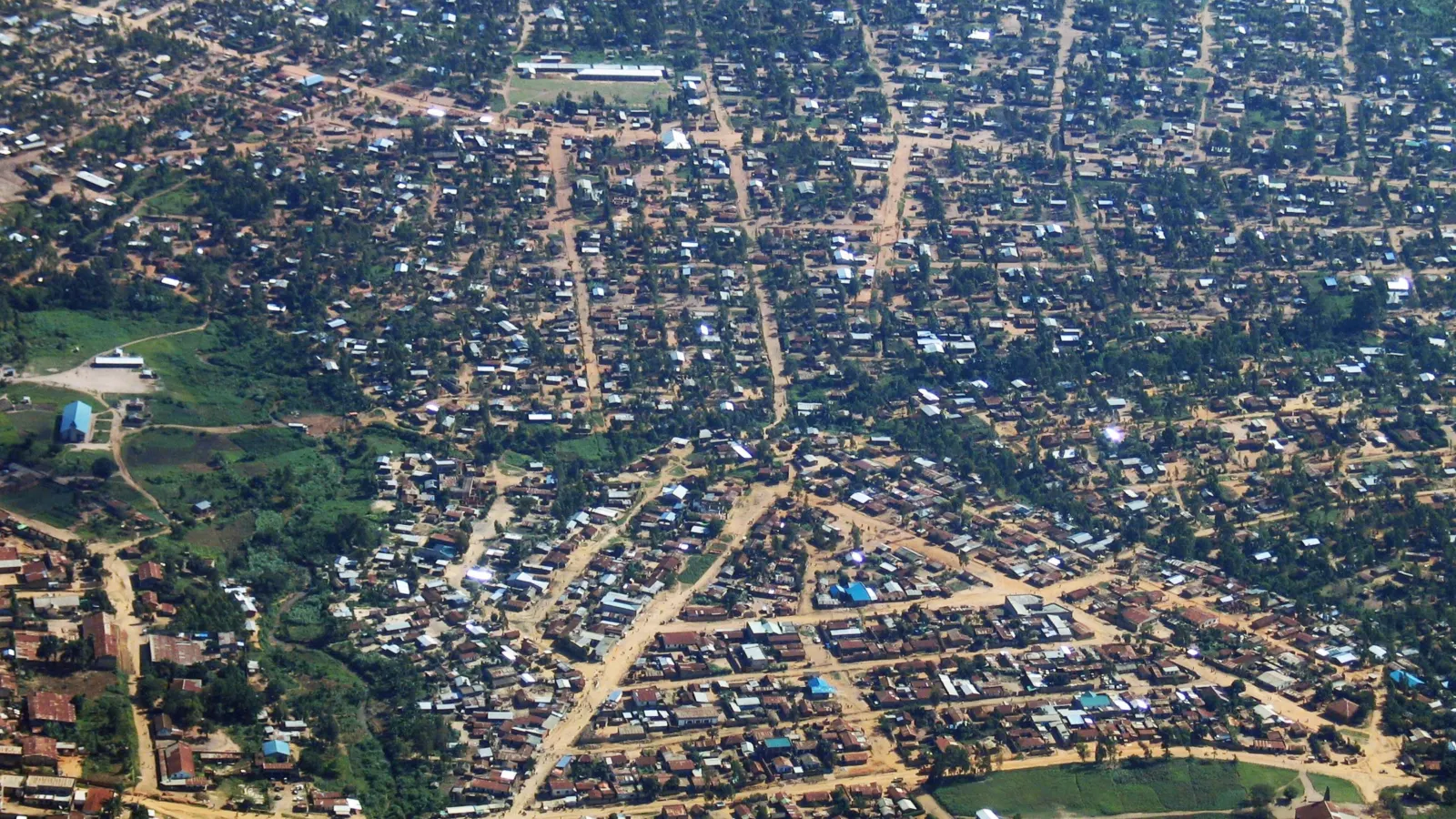
BUNIA Heavy fighting near a hospital in Ituri, the province at the centre of the Democratic Republic of the Congo’s Ebola outbreak, forced World Health Organization (WHO) staff, other responders and patients to shelter in the hospital’s maternity ward for more than 24 hours from Saturday 21 November 123. On Sunday WHO Director-General Tedros Adhanom Ghebreyesus said staff had sheltered “for their lives” and called for “immediate safe passage” 1.
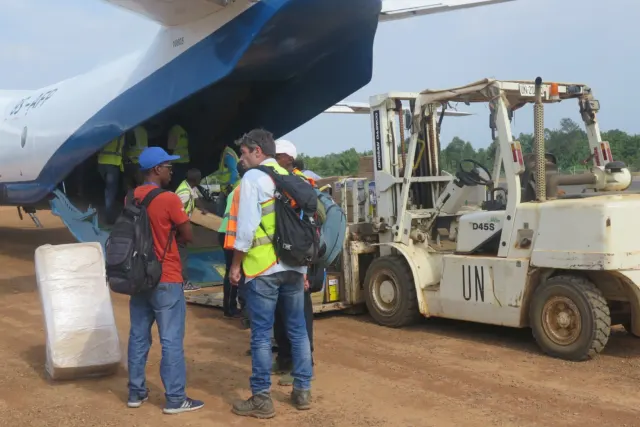
The team was evacuated to Bunia, Ituri’s capital, on the evening of Monday 23 November after nearly 48 hours inside the hospital, Radio France Internationale (RFI) reported, according to the Senegalese news site Senego 4. As of 23 November, WHO and UN News reported that WHO was working with partners to get the staff out safely 153.
WHO’s latest outbreak report, published on 20 November, names “rising insecurity” as “the greatest obstacle to the expansion of operations” 6. WHO has verified more than 87 attacks on health care in the DRC since 1 January 12.
Where the fighting was
Tedros said the fighting had been going on “since yesterday” near a hospital in Ituri, close to where the outbreak was first detected 21. He said attacks across eastern Congo had increased since late October and that the fighting put patients, families and health workers at “grave risk”, Reuters reported 5. WHO said the partners helping it were in contact with the parties to the conflict 7.
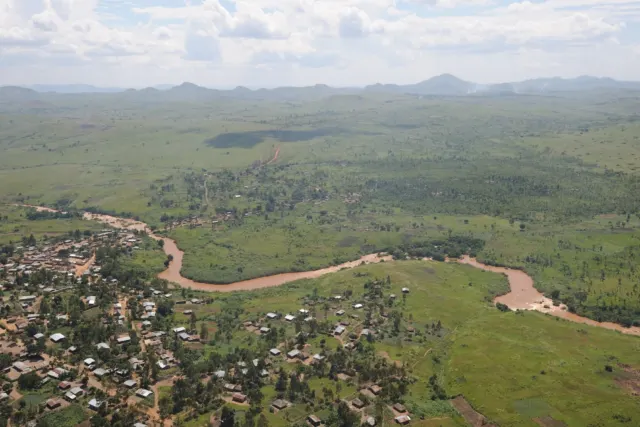
According to RFI’s report as relayed by Senego, the hospital was in the Mangala health zone near Fataki, north of Bunia 4. RFI also reported that the Congolese army had been fighting an armed group, the Convention for the Popular Revolution (CRP), in Djugu territory north of Bunia since 22 November 4. The Congolese news site Actualite.cd reported army–CRP clashes at Lopa, Lindji and Iga-Barrière on 21 and 22 November, displaced families arriving in Bunia, and UN staff movements on the Iga-Barrière, Lopa and Fataki roads temporarily restricted 8.
The fighting in Ituri follows a run of violence further south 93. On 13 November the UN’s senior Ebola response coordinator, Julien Harneis, said fighters of the Allied Democratic Forces (ADF), an armed group, had recently killed more people than Ebola, and that attacks on “tens of villages all across the south of Ituri and North Kivu” were going unnoticed 91. An attack at Cantine-Aloya in North Kivu killed 66 civilians, including three health workers, and response teams lost track of more than 1,000 contacts of Ebola cases afterwards, UN News reported 93. In Tshopo province, a nurse was killed while responding to an Ebola alert 93.
The numbers: momentum moves to North Kivu
As of 20 November, the UN counted 11,762 confirmed cases and 5,775 deaths in 68 health zones across eight provinces 13. Ituri accounts for more than two-thirds of confirmed cases, with 8,028 cases and 3,791 deaths, and for nearly 60% of new cases 31. The outbreak is caused by Bundibugyo virus 1.
WHO’s 20 November report, using data to 17 November, shows transmission shifting 6. Over the previous 21 days Ituri recorded 668 new confirmed cases, down 13%, while North Kivu recorded 635, up 8% 6. In the last of those weeks North Kivu reported 235 cases, a 40% increase on the week before, and it has the highest death rate of any province, at 55% of confirmed cases 62.
The shift was visible two months ago. On 16 September Tedros said cases in North Kivu were “rising fast”, with weekly cases there nearly doubling from about 100 to more than 200, while Ituri showed signs of progress, the Associated Press reported 10.
Without a vaccine, the response relies on finding and following the contacts of each patient, and Harneis said that doing so where the ADF operates “is a very hazardous idea” 1. WHO says contacts were followed up on 81% of days over the previous fortnight, against a 95% target 6. Africa CDC, the African Union’s public health agency, found that 11% of confirmed cases (1,146 of 10,659) came from known contact lists, CIDRAP reported 2. Of 720 deaths since 28 October, 452 happened in communities rather than treatment centres 6.
No vaccine for this strain
WHO says “no approved vaccines or specific treatments currently exist” for Bundibugyo virus disease 6. Richard Hatchett, head of the Coalition for Epidemic Preparedness Innovations (CEPI), said three large vaccine trials could deliver a breakthrough in early 2027, but that enrolment is slowed because “there’s lots of conflict, there’s lots of misinformation” 2.
Our six-month analysis of the outbreak covers how the emergency was declared and funded.
How it compares with West Africa
As of 31 March 2016, WHO had reported 28,652 suspected, probable and confirmed cases in the 2014–16 West African epidemic, including 11,325 deaths, according to the US Centers for Disease Control and Prevention (CDC) 11. Congo’s 5,775 deaths among confirmed cases, as of 20 November, are about half that toll, although the West African figure also counts suspected and probable cases 111.
The outbreak has crossed borders. Kenya has recorded nine confirmed cases and two deaths, with no new cases since 19 October 6. Nigeria had one imported case in Abuja, reported on 20 October; the patient was flown to Geneva and has recovered 6. WHO says Uganda’s outbreak has been under control since August 6.
WHO rates the national risk in the DRC as very high 6. On 18 November, after its Emergency Committee met for the third time, Tedros confirmed that the outbreak remains a public health emergency of international concern, the WHO’s formal global emergency declaration, and said updated temporary recommendations would follow in the coming days 6.
Sources and references
- ReportUN News (via AllAfrica), “Heavy Fighting in Ituri Traps DR Congo Ebola Responders – WHO”, 23 November 2026. Link
- ReportCIDRAP, University of Minnesota, “Ebola in DR Congo at 6 months: Rampant spread, new waves of violence”, 22 November 2026. Link
- ReportONU Info (UN News French), “RDC : des combats près d’un hôpital de l’Ituri perturbent la riposte contre Ebola”, 23 November 2026. Link
- ArticleSenego (citing RFI), “RDC : une équipe de riposte contre Ebola évacuée après près de 48 heures bloquée”, 23 November 2026. Link
- ArticleReuters (via CNBC Africa), “WHO chief says fighting near Congo Ebola outbreak area disrupts response efforts”, 23 November 2026. Link
- ReportWorld Health Organization, “Disease Outbreak News: Bundibugyo virus disease – DRC, Kenya and Nigeria (data to 17 November 2026)”, 20 November 2026. Link
- ArticleActualite.cd, “Ebola en Ituri: l’OMS appelle à l’évacuation immédiate et sécurisée de l’équipe de riposte”, 22 November 2026. Link
- ArticleActualite.cd, “RDC : la résurgence des combats entre l’armée et la CRP à Djugu provoque un afflux de déplacés vers Bunia”, 24 November 2026. Link
- ReportUN News (via AllAfrica), “DR Congo Ebola Outbreak – Armed Groups Unrest Hold Back Response”, 13 November 2026. Link
- ArticleAssociated Press (via WDIV ClickOnDetroit), “WHO sees encouraging signs in Congo Ebola fight but warns cases in one eastern region are surging”, 16 September 2026. Link
- Official documentUS Centers for Disease Control and Prevention, “Overview, Control Strategies, and Lessons Learned in the CDC Response to the 2014–2016 Ebola Epidemic (MMWR Supplement)”, 8 July 2016. Link
Sources and references are provided for transparency and further reading. Allegations and claims are attributed to their respective sources. Triple Frontiers distinguishes reported allegations from independently established facts.
The Frontier Brief
The week’s essential international reporting and new investigations, every Friday.