Pakistan’s 2025 monsoon floods: 1,037 dead, millions displaced, a slow recovery
Flash floods in the north and river floods in Punjab killed 1,037 people between late June and 1 October 2025, Pakistan's disaster authority said. In April 2026 the International Federation of Red Cross and Red Crescent Societies reported families still living in tents and an appeal less than a fifth funded.
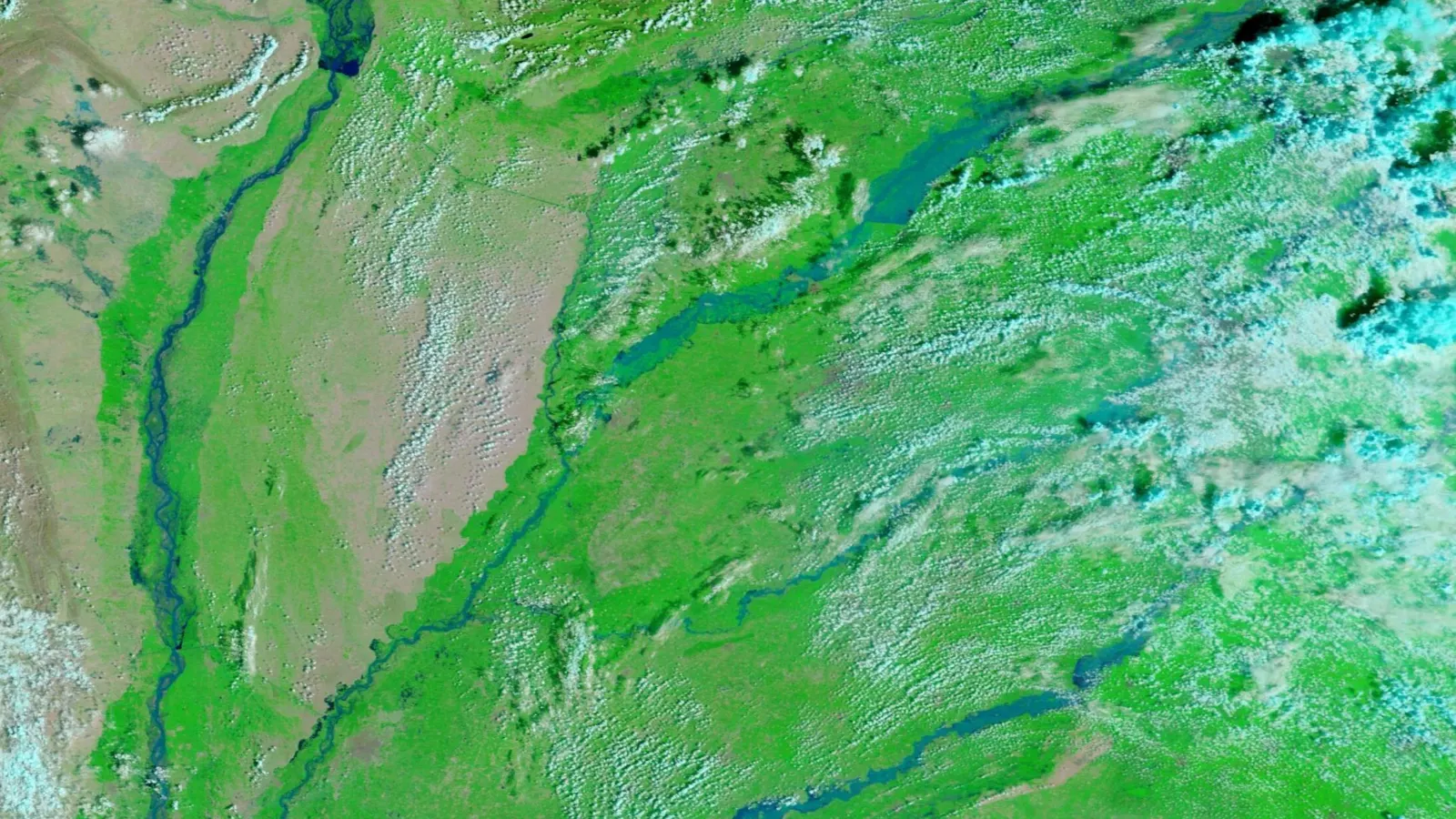
ISLAMABAD Monsoon rains and floods killed 1,037 people across Pakistan between 26 June and 1 October 2025, according to the final consolidated report of the National Disaster Management Authority (NDMA), issued on 2 October 1. The authority recorded 1,067 people injured and 229,763 houses damaged, 59,258 of them fully 1.
Khyber Pakhtunkhwa recorded 509 of the deaths and Punjab 322, the NDMA said 1. Of the dead, 283 were children 1. About 6.9 million people were affected nationwide, including 4.7 million in Punjab, the IFRC said, citing consolidated national and provincial reporting 23.
A rising toll in the north
The NDMA counts the monsoon period from 26 June 1. By 3 August, it had recorded at least 299 deaths, including 140 children, ANI reported 4.
A World Weather Attribution study found that rainfall between 24 June and 23 July was 10% to 15% heavier because of global warming, AP reported 5.
On 15 August, a cloudburst struck Buner district in Khyber Pakhtunkhwa 6. Arab News reported more than 150 mm of rain within an hour, and the IFRC said cloudbursts reached up to 150 mm per hour in Buner 62. A government administrator, Kashif Qayyum, said that day that at least 56 people had been killed in Buner and that dozens of villages were still missing, AP reported 5.
On 18 August, the NDMA said more than 350 people had died in 72 hours, and more than 650 since 26 June, ABC News reported 7. By 20 August, the provincial disaster authority in Khyber Pakhtunkhwa had recorded 385 deaths in the province since 15 August, 228 of them in Buner 6. It also reported 1,398 houses damaged 6.
Punjab’s rivers overflow
From late August, the Ravi, Sutlej and Chenab rivers flooded in Punjab 82. “Due to severe flooding in rivers Ravi, Sutlej and Chenab, 2,308 villages have been affected,” the Punjab relief commissioner, Nabeel Javed, said on 30 August 8. He said 1.516 million people had been affected and 481,000 trapped residents rescued 8.
Punjab’s disaster authority reported that the Bhakra, Pong and Thein reservoirs in India were 84%, 94% and 92% full 8. Pakistan has repeatedly accused India of releasing excess flows into downstream rivers, Arab News noted 8.
On 1 September, the director general of Punjab’s disaster authority, Irfan Ali Kathia, said more than 2.4 million people had been affected and more than 900,000 evacuated in the province, with at least 41 dead 9. “Rescue teams are working tirelessly, and despite the widespread damage, timely measures have prevented higher casualties,” he said 9.
The International Federation of Red Cross and Red Crescent Societies (IFRC) launched an emergency appeal on 30 August, seeking CHF 17 million across its network 10. On 5 September, the NDMA put the national toll at 884, with more than 1 million people evacuated 11. “Entire communities remain underwater, families have lost everything,” said Farid Abdulkadir Aiywar, the IFRC’s head of delegation in Pakistan 11.
By 20 September, 2,819,767 people had been evacuated in Punjab, the World Health Organization (WHO) said 12. The NDMA recorded 1,006 deaths between 26 June and 16 September, and 130 health facilities were damaged, according to WHO 12. WHO said malaria cases rose by about 87% between June and August 12.
How it unfolded
-
Key moment. Start of the NDMA’s monsoon reporting period.
-
NDMA reports at least 299 deaths, including 140 children.
-
Key moment. Cloudburst and flash floods hit Buner district.
-
Khyber Pakhtunkhwa toll since 15 August reaches 385, 228 in Buner.
-
Key moment. Ravi, Sutlej and Chenab in flood in Punjab; IFRC launches appeal.
-
NDMA toll reaches 884; more than 1 million evacuated.
-
Key moment. NDMA final report: 1,037 dead, 229,763 houses damaged.
-
Initial damage estimate of Rs822bn (about $2.9bn).
-
IFRC says recovery uneven and fragile.
-
NDMA records 199 deaths in the 2026 monsoon.
Displacement and damage
Estimates of displacement differ. Aid groups said the floods displaced around 3 million people, Arab News reported on 26 September 13. The IFRC later said more than 2.5 million people were temporarily displaced at the peak, and more than 3 million were evacuated or rescued 23.
The NDMA’s final report listed 2,811 km of roads and 790 bridges damaged and 22,841 livestock lost 1. Punjab accounted for 213,097 of the damaged houses 1.
Reuters reported that 1.8 million acres of farmland in Punjab were inundated, according to the provincial disaster agency 14. The chairman of the Pakistan Farmers Association estimated that about half of the rice crop and 60% of cotton and maize had been damaged 14. “Food insecurity is coming, not just higher prices,” said Iqrar Ahmad Khan, a former vice chancellor of the University of Agriculture Faisalabad 14.
The central bank called the floods a “temporary yet significant supply shock” and put growth near the lower end of its 3.25-4.25% range 14. On 7 October, Punjab’s disaster authority said river flows were normal and there was no risk of flooding at that stage 15.
Counting the cost
On 17 October, the planning minister, Ahsan Iqbal, presented an initial estimate of Rs822 billion (about $2.9 billion) in damage 16. Agriculture accounted for Rs430 billion and infrastructure for Rs307 billion 16. “This is an estimate of damages, not total economic losses,” he said, adding that a detailed post-disaster needs assessment was under way 16.
Iqbal cited 312,000 houses affected, including 213,000 in Punjab 16. That differs from the NDMA’s count of 229,763 damaged houses 1.
In September, the World Bank offered support for Punjab’s recovery, after its country director met the senior provincial minister, Maryam Aurangzeb; no amount was given 17. “We will build infrastructure that is resilient to floods and capable of withstanding climate disasters,” Aurangzeb said in a statement 17.
Where things stand
In a six-month update issued on 29 April 2026, the IFRC said the response had moved to early recovery by late 2025, but that recovery “remains uneven and fragile” 10. About 30% of water, sanitation and hygiene systems remained compromised, it said 10.
An IFRC needs assessment in 11 priority districts found 17% of households still living in tents, 8% in makeshift shelters and 9% with host families 10. It said government compensation had been generally positive but coverage was “inconsistent and sometimes scattered” 10. As of 28 February 2026, the IFRC’s appeal was 16.69% funded 10.
The IFRC’s final report on its emergency fund operation, reported by Arab News on 1 June 2026, gave a toll of 1,037 deaths and nearly 1,000 injuries 3. It found that about 54% of households in affected districts lacked safe drinking water 3. The IFRC appeal is due to run until 31 December 2026 102.
The 2026 monsoon brought further losses. The NDMA recorded 199 deaths, 556 injuries and 1,839 damaged houses between 26 June and 30 September 2026 18.
Why it matters
The floods came three years after the 2022 disaster, which affected about 33 million people and killed more than 1,700, according to the NDMA as cited by Arab News 3. In 2025, the government’s own initial figure of about $2.9 billion covered damage, not wider economic losses 16. Months later, the IFRC found households still in tents and its appeal less than a fifth funded 10. Scientists linked heavier early-season rain to global warming 5.
Sources and references
- Official documentNational Disaster Management Authority, Government of Pakistan, “NDMA – Monsoon 2025 Final Consolidated Situation Report No. 87”, 2 October 2025. Link
- ReportInternational Federation of Red Cross and Red Crescent Societies, “DREF Final Report: Pakistan Monsoon Flood 2025 (MDRPK028)”. Link
- ArticleArab News Pakistan, “Pakistan’s 2025 monsoon floods affected nearly 7 million people — IFRC report”, 1 June 2026. Link
- ArticleKhaleej Times (ANI), “Pakistan: At least 299, including 140 children, dead due to flash floods”, 4 August 2025. Link
- ArticleAP via CFJC Today, “Flash floods kill a further 56 people in Pakistan’s northwest”, 15 August 2025. Link
- ArticleArab News Pakistan, “Monsoon floods kill 385 in Pakistan’s northwest province, Buner worst-hit district with 228 deaths”, 20 August 2025. Link
- ArticleABC News / Good Morning America, “350 killed in monsoon flooding in Pakistan, emergency officials say”, 18 August 2025. Link
- ArticleArab News Pakistan, “Floods in Punjab kill 30, half a million people evacuated as Indus threat rises”, 30 August 2025. Link
- ArticleThe Express Tribune, “Punjab battles worst flooding in history”, 2 September 2025. Link
- ReportInternational Federation of Red Cross and Red Crescent Societies, “Pakistan | Monsoon Floods 2025, Emergency Appeal MDRPK028, Operation Update #4 (6-month update)”, 29 April 2026. Link
- ArticleAnadolu Agency, “Pakistan floods have killed 884, displaced over 1M: Red Cross”, 5 September 2025. Link
- ReportWorld Health Organization, Eastern Mediterranean Regional Office, “Health Emergency Situation Report: Monsoon Floods (data as of 20 September 2025)”. Link
- ArticleArab News Pakistan, “Aid groups shift focus to recovery after monsoon floods displace millions in Pakistan”, 26 September 2025. Link
- ArticleReuters via The Express Tribune, “Pakistan floods batter fields, factories, fiscal plans”, 23 September 2025. Link
- ArticleArab News Pakistan, “Disaster agency says Punjab rivers stable after monsoon rains, no immediate flood risk”, 7 October 2025. Link
- ArticleThe Express Tribune, “Initial report estimates flood damages at $2.9b: Iqbal”, 18 October 2025. Link
- ArticleArab News Pakistan, “Punjab vows flood-resilient infrastructure as World Bank pledges post-disaster support”, 25 September 2025. Link
- Official documentNational Disaster Management Authority, Government of Pakistan, “NDMA – Monsoon 2026 Daily Situation Report No. 97”, 30 September 2026. Link
Sources and references are provided for transparency and further reading. Allegations and claims are attributed to their respective sources. Triple Frontiers distinguishes reported allegations from independently established facts.
The Frontier Brief
The week’s essential international reporting and new investigations, every Friday.