FaceStealer: the North Korean scheme that turned victims’ webcams into bait
The FBI says hackers stole more than $400 million by joining video calls with stolen footage of their targets' colleagues. US authorities have seized the infrastructure and 900 victim videos; no one has been charged.
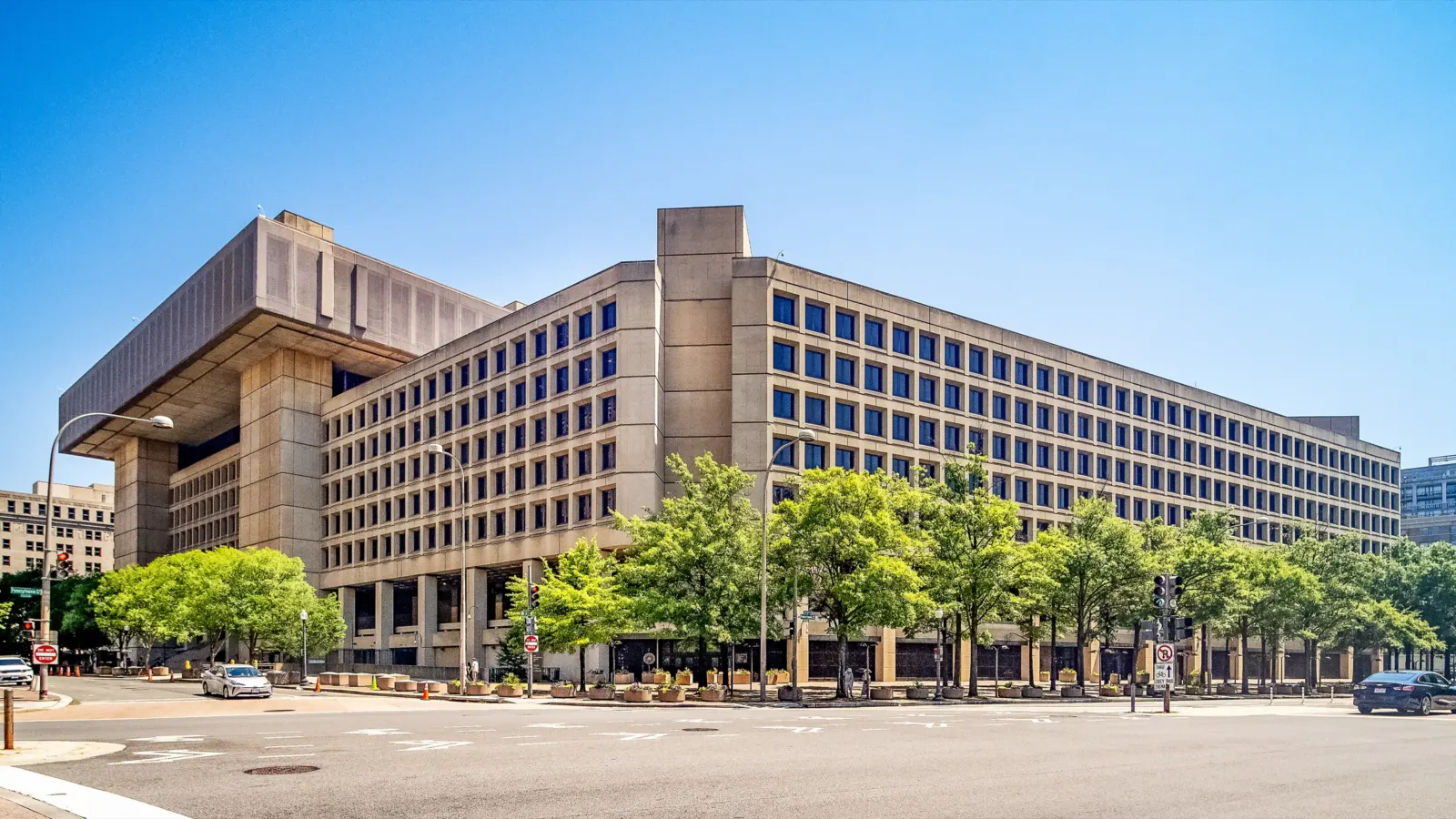
WASHINGTON For 18 months, according to the FBI, North Korean hackers have been stealing cryptocurrency by joining their targets’ video calls wearing other people’s faces. On 12 November 2026, the US Justice Department announced that it had seized the cloud infrastructure behind the scheme, which the FBI calls “FaceStealer”, along with more than 900 webcam videos of its victims 1.
The FBI says the campaign has stolen more than $400 million 12, a figure that covers only the victims it has identified 4. It attributes the scheme to North Korean state-sponsored groups known publicly as Sapphire Sleet, UNC1069, BlueNoroff, APT38 and other names 12. The legal action announced so far is a warrant-based seizure in the Central District of California; no charges, arrests or named defendants have been announced 1.
How the scheme works
The FBI set out the method in an alert published the same day 2. It usually begins with a message from someone the target knows, sent from a genuine Telegram, LinkedIn, Slack or Discord account that has itself been hijacked in an earlier attack 25. The target receives a calendar invitation and, shortly before the meeting, a link to a website imitating Zoom or Microsoft Teams 2.
On the call, the hackers play back stored webcam footage of previous victims, sometimes several clips at once, to look like a meeting with familiar colleagues. Meanwhile the target is quietly recorded, which supplies footage for the next round of attacks 23. Then comes the request: the supposed contact reports an audio problem and talks the target through a “fix”, such as clicking a prompt, running a script or pasting code into a terminal. That step installs malware that can harvest browser cookies, log keystrokes, capture the screen and open a backdoor 25.
The thefts are not always immediate. In several cases, the FBI says, cryptocurrency was stolen or accounts were hijacked months, and in some cases more than a year, after the initial compromise, once wallet balances had grown 23. The FBI also says the hackers have begun producing deepfake videos of well-known figures in the cryptocurrency industry, but that the scheme still “overwhelmingly” relies on genuine stolen footage 25.
“If you can’t imagine a scenario where you might fall prey to it, you are not thinking creatively enough.”
Patrick Grandy, Assistant Director in Charge, FBI Los Angeles Field Office
Beyond theft: the software supply chain
The FBI’s warning goes further than cryptocurrency. It says the same technique was used earlier in 2026 to compromise a maintainer of a widely used open-source JavaScript library, with tens of millions of weekly downloads, in an attempt to add malicious code; the attempt was detected and failed 25. The FBI did not name the library, and says it is aware of further attempts against maintainers on the npm registry and of Rust packages 2.
Security firm Arctic Wolf, which says it tracked the group for months and shared intelligence with the FBI, reports finding 677 targets in 58 countries, most of them company founders or senior executives 63.
What the FBI advises
- Join meetings through the official video app with an invite code rather than through links in messages.
- Do not switch on your camera until you can see and hear the person who invited you.
- Never run a script or paste code to fix a call.
- Confirm unexpected meetings through a separate channel.
- Protect messaging accounts with multi-factor authentication and login alerts.
These recommendations are summarised from the FBI alert 2.
The Binance theft
The same Justice Department announcement covered a separate case: the theft of more than $6 billion from the Binance exchange on or about 29 October 2026, which the FBI attributes to a different North Korean unit it calls “TraderTraitor” 17. Government and private-sector efforts have frozen more than $2.7 billion, and the department has court authorisation to seize or restrain more than $1.2 billion of it 1. The FBI said the two cases involve separate schemes and actors, and that it does not know whether FaceStealer malware played any part in the Binance theft 4. North Korea’s Kim Yo Jong rejected the Binance attribution in a statement on 3 November, calling it “a grave political provocation” 910; no North Korean response to the FaceStealer allegations has been reported.
The attribution in both cases rests on US government statements and private-sector analysis; it has not been tested in court.
The documents
-
US Department of Justice press release 26-135612 November 2026 · FaceStealer seizure and Binance actionsRead the release (US Department of Justice press release 26-1356)
-
FBI FLASH AC-111226-MS (TLP:CLEAR)12 November 2026 · 7 pages · how FaceStealer works and how to defend against itRead the FBI alert (FBI FLASH AC-111226-MS (TLP:CLEAR))
Sources and references
- Official documentUS Department of Justice, Office of Public Affairs, “Justice Department Announces Actions to Disrupt North Korea’s Massive Theft of Cryptocurrency”, 2026-11-12. Link
- Official documentFBI / IC3, “FBI FLASH AC-111226-MS: North Korean Hackers Use Secretly Recorded Webcam Library of 900+ (FaceStealer)”, 2026-11-12. Link
- ArticleBleepingComputer, “US disrupts North Korean campaign behind $400 million crypto theft”, 2026-11-14. Link
- ArticleGovInfoSecurity (ISMG), “FBI Disrupts North Korean Deepfake Crypto Theft Scheme”, 2026-11-12. Link
- ArticleHackread, “FBI Disrupts North Korean FaceStealer Scheme Behind $400M Crypto Theft”, 2026-11-13. Link
- ArticleSecurityBrief Australia, “FBI, Arctic Wolf disrupt North Korea’s BlueNoroff”, 2026-11-13. Link
- ArticleBleepingComputer, “FBI links $6.3 billion Binance crypto heist to North Korean hackers”, 2026-11-01. Link
- ArticleCointelegraph, “North Korea linked to $6.3B Binance hack by crypto investigators”, 2026-10-30. Link
- ArticleThe Kyunghyang Shinmun, “Kim Yo-jong statement on FBI Binance attribution”, 2026-11-03. Link
- ArticleSBS News, “Kim Yo Jong rejects FBI Binance hack accusation”, 2026-11-03. Link
Sources and references are provided for transparency and further reading. Allegations and claims are attributed to their respective sources. Triple Frontiers distinguishes reported allegations from independently established facts.
The Frontier Brief
The week’s essential international reporting and new investigations, every Friday.