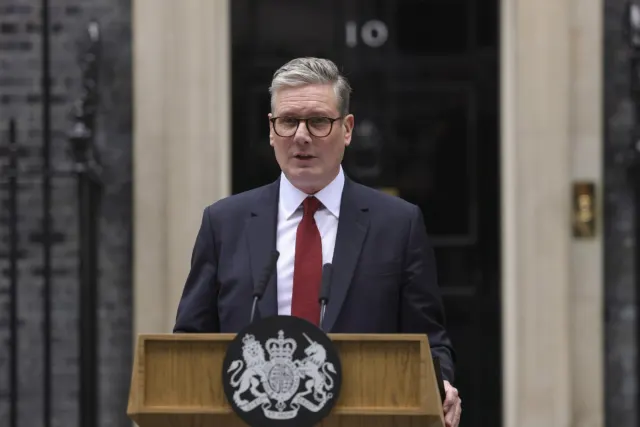
From Reeves to Healey: three UK Budgets, higher taxes and thin headroom
Rachel Reeves raised taxes in her 2024 and 2025 Budgets while gilt yields climbed to levels last seen in 1998. After Andy Burnham became prime minister, John Healey's first Budget in October 2026 cut the 2027 growth forecast and left £15bn of headroom as energy prices pushed inflation and interest rates up.
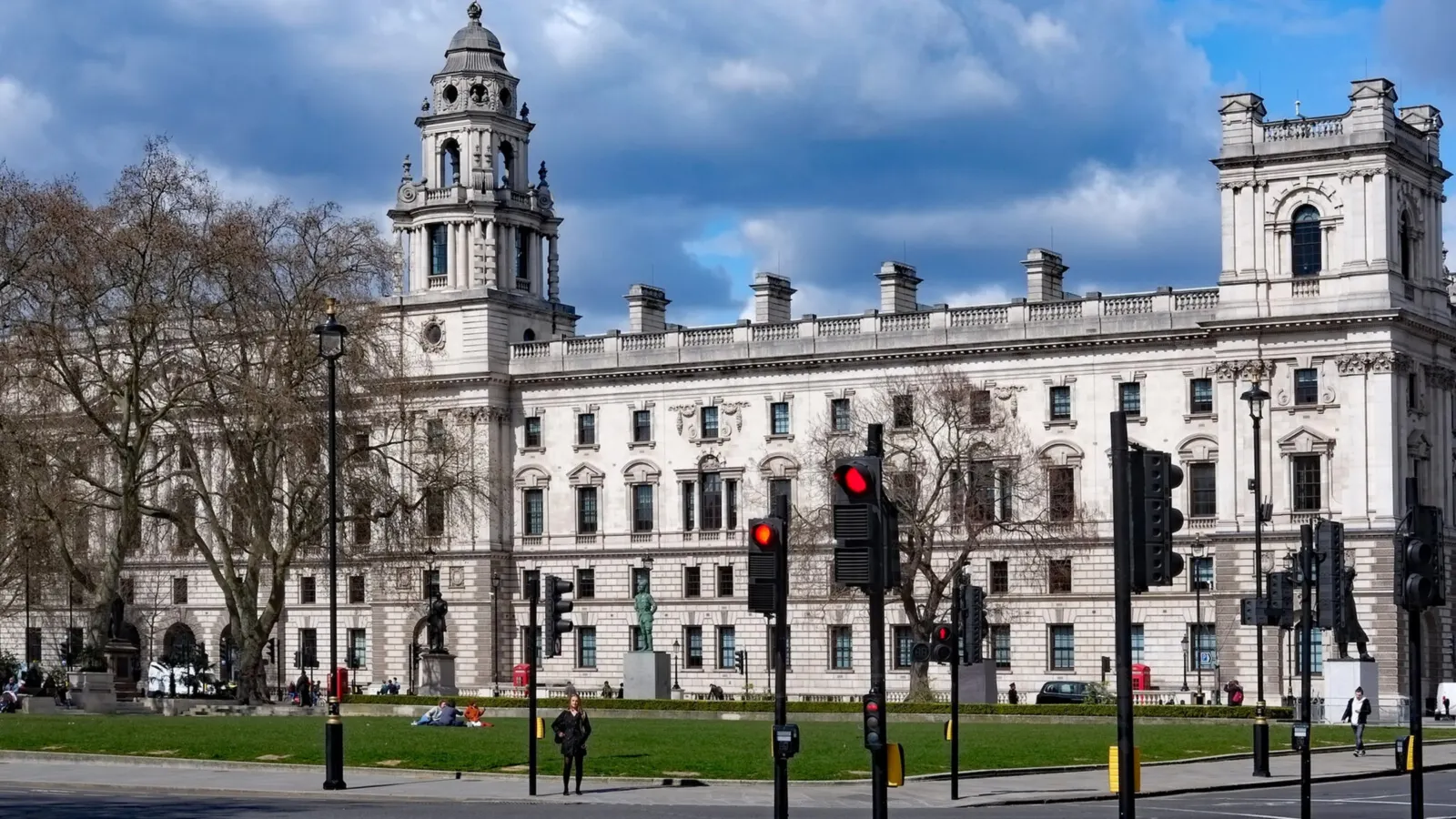
LONDON John Healey presented his first Budget as chancellor on 28 October 2026, the first of Andy Burnham’s government, as the Office for Budget Responsibility (OBR) cut its forecast for UK growth in 2027 to 1.0% from 1.6% 123. The OBR put headroom against the government’s main fiscal rule at £15bn in 2029-30, and said the Middle East conflict had reduced it by more than £8bn 14. Healey offered a £100 energy payment to up to 20 million households and raised taxes on banks, gambling, savings and property income 12.
It followed two tax-raising Budgets by Rachel Reeves, who left government on 20 July 2026, and kept the fiscal rules she set in 2024 51.
October 2024: Reeves’s first Budget
Reeves presented Labour’s first Budget on 30 October 2024 and said she would raise taxes by £40bn a year, about 1.25% of economic output 67. Reuters reported that the Institute for Fiscal Studies (IFS) called it the largest such rise since 1993 7.
Employer National Insurance contributions rose by 1.2 percentage points to 15% from April 2025, and the threshold at which employers start paying fell from £9,100 to £5,000 a year 6. PA reported that the change would raise £25.7bn by 2029-30 8. Capital gains tax rates rose, unspent pension pots were brought into inheritance tax, reliefs for farms and businesses were restricted and VAT was applied to private school fees 6.
Reeves set a stability rule requiring day-to-day spending to be met by revenues and an investment rule to reduce public sector net financial liabilities as a share of GDP, replacing the previous debt measure 67. Reuters reported that the government was on course to borrow almost £142bn more over five years than previously estimated, with the change allowing £100bn of investment 7. PA reported that the OBR described the change as “one of the largest fiscal loosenings” in recent decades, while Conservative leader Rishi Sunak accused Reeves of “fiddling the figures” 8.
The OBR forecast growth of 2.0% in 2025, slowing to 1.5% in 2027 and 2028 6. PA reported a tax burden of 38.3% of GDP in 2027-28, the highest since 1948; Reuters reported a forecast of 38.2% by 2030 78. “This is not the sort of budget we would want to repeat, this is the budget that is needed to wipe the slate clean,” Reeves told the BBC 7.
2025: downgrades, gilts and a second tax rise
In the Spring Statement of 26 March 2025 the OBR halved its 2025 growth forecast to 1.0% 9. The government expected welfare reforms to save £4.8bn in 2029-30 and confirmed a cut in aid to 0.3% of gross national income by 2027 to fund defence 9.
On 2 September 2025 long-term borrowing costs rose to 5.698%, their highest level since 1998, PA reported, amid concern about an estimated £51bn gap in the public finances and a global sell-off in government bonds 10. On 4 November Reeves signalled a rise in income tax rates, which would have broken an election pledge, but after criticism from Labour MPs she chose smaller measures, AP reported 11.
The OBR’s full forecast was published online before Reeves delivered her Budget on 26 November 2025 1112. The watchdog said the document “went live on our website too early this morning” and blamed a technical error; Reeves called it a “serious error” 1112. OBR chair Richard Hughes resigned on 1 December after an investigation called the episode the watchdog’s “worst failure” since 2010 13.
The Budget raised taxes by £26bn by 2029-30, mainly by freezing income tax and National Insurance thresholds for three more years from April 2028 1412. It introduced a surcharge on homes in England worth £2m or more from April 2028, raised tax rates on dividends, savings and property income by two points and removed the two-child limit in Universal Credit 14. PA reported that the tax burden would reach 38.3% of GDP in 2030-31 12.
Headroom against the stability rule rose to £21.7bn in 2029-30, more than double the previous buffer 14. The OBR raised its 2025 growth forecast to 1.5% but cut growth in each year from 2026 to 2029 to 1.4% or 1.5% 1412. “These are my choices — the right choices for a fairer, a stronger, and a more secure Britain,” Reeves said 11.
CPI inflation was 3.8% in September 2025 and 3.2% in November 15. The Bank of England, which had begun cutting Bank Rate from 5.25% in August 2024, cut it to 3.75% on 18 December 2025 and said Budget measures were likely to lower inflation in April 2026 by around half a percentage point 1615.
How it unfolded
-
Key moment. Reeves’s first Budget raises taxes by about £40bn a year and changes the debt rule.
-
Spring Statement: OBR halves 2025 growth forecast to 1.0%.
-
Employer National Insurance rises to 15%.
-
Long-term borrowing costs reach their highest level since 1998.
-
Key moment. Budget 2025 raises £26bn by 2029-30; OBR forecast published early.
-
OBR chair Richard Hughes resigns.
-
Bank of England cuts Bank Rate to 3.75%.
-
30-year gilt yield reaches 5.821%.
-
Key moment. Burnham becomes prime minister; Healey named chancellor.
-
Key moment. Healey’s first Budget; headroom falls to £15bn.
-
Bank of England raises Bank Rate to 4%.
-
CPI inflation rises to 3.6%.
2026: war, gilts and a new chancellor
On 15 May 2026 the 30-year gilt yield rose to 5.821%, as long-term borrowing costs reached their highest for 28 years when Burnham moved to contest the Makerfield by-election, PA reported 17. On 14 July the 10-year yield rose above 5% for the third time since the Iran war began, after a US-Iran ceasefire broke down, City AM reported 18.
Keir Starmer resigned as prime minister on 20 July and Burnham took office, saying he wanted to give people “some breathing space now, some help with the cost of living” 19. Healey was appointed chancellor and Emma Reynolds chief secretary to the Treasury 5.
The October 2026 Budget
Healey’s Budget gave households in council tax bands A to D in England a £100 energy payment from January 2027, costing £2.6bn, extended the 5p fuel duty cut to 1 July 2027 and promised to abolish gas standing charges 12. It raised the bank corporation tax surcharge from 3% to 6% from January 2027 to March 2028 and raised savings and property income tax rates by a further two points from April 2027 1. Income tax, National Insurance and VAT rates were not increased 1.
The OBR put headroom at £15bn in 2029-30, rising to £22bn in 2030-31 14. Reports gave different figures for the March 2026 headroom: £23.6bn according to Investment Week, citing the OBR; £24bn according to Reuters; and £26bn according to PA 234. “That’s what a buffer is for. Use it when you need it. Rebuild it when you can,” Healey said 2.
The OBR forecast inflation peaking at 3.8% in early 2027 and borrowing of £133.2bn, or 4.2% of GDP, in 2026-27, falling to 1.8% by 2031-32 1. Debt interest was forecast to average £14bn a year more than in March 1. PA reported that the OBR expected real household disposable income per person to “fall slightly in the near term” 20.
Burnham said the government did not have “huge room for manoeuvre” 20. Kemi Badenoch, the Conservative leader, called the Budget “not good enough, not strong enough, not bold enough”, and IFS director Helen Miller said: “The plan to reduce borrowing has been pushed back.” 20
Latest status
On 5 November 2026 the Bank of England raised Bank Rate from 3.75% to 4% by an 8-1 vote, saying the Middle East conflict, in its ninth month, had pushed up energy prices 2122. It projected inflation rising to around 5% by mid-2027 121. Its next decision is due on 17 December 22.
CPI inflation rose to 3.6% in October 2026 from 3.5% in September, driven by motor fuels, the Office for National Statistics said on 18 November 23. GDP grew by an estimated 0.7% in the third quarter and was 1.9% higher than a year earlier 24.
Why it matters
Three Budgets by two chancellors raised taxes under the same fiscal rules, yet headroom has fallen back to £15bn as borrowing costs and energy prices rose 14. With the Bank of England raising rates and the OBR forecasting slower growth in 2027, the government’s room to spend depends heavily on inflation and gilt yields 121.
Sources and references
- Official documentHM Treasury, “Budget 2026 (HTML)”, 28 October 2026. Link
- ArticleBusinessDay / Reuters, “Healey announces help for UK households, lowers GDP forecast (Reuters)”, 28 October 2026. Link
- ArticleThe Irish News / Press Association, “Budget: UK growth forecast slashed to 1% for next year amid Iran war impact (PA)”, 28 October 2026. Link
- ArticleInvestment Week, “Budget 26: OBR cuts fiscal headroom to £15bn in 2029 after Middle East shock”, 28 October 2026. Link
- Official documentPrime Minister’s Office, 10 Downing Street, “Ministerial appointments: July 2026”, 20 July 2026. Link
- Official documentHM Treasury, “Autumn Budget 2024 (HTML)”, 30 October 2024. Link
- ArticleChronicle.lu / Reuters, “UK’s Reeves Raises Taxes by Most Since 1993 in 1st Labour Budget (Reuters)”, 31 October 2024. Link
- ArticleThe Irish News / Press Association, “Reeves uses first Budget to hike taxes, increase borrowing and boost spending (PA)”, 30 October 2024. Link
- Official documentHM Treasury, “Spring Statement 2025 (HTML)”, 26 March 2025. Link
- ArticleHargreaves Lansdown / Press Association, “Chancellor under pressure as government borrowing costs surge to 27-year high (PA)”, 2 September 2025. Link
- ArticleArab News / Associated Press, “UK’s unpopular Labour government tries to fight back with tax-raising budget (AP)”, 26 November 2025. Link
- ArticleLBC / Press Association, “Taxes hiked to ‘all-time high’ by Reeves as growth forecasts cut (PA)”, 26 November 2025. Link
- ArticleSTV News, “Head of OBR resigns after Budget publishing error”, 1 December 2025. Link
- Official documentHM Treasury, “Budget 2025 (HTML)”, 26 November 2025. Link
- Official documentBank of England, “Monetary Policy Summary and minutes, December 2025”, 18 December 2025. Link
- Official documentBank of England, “Monetary Policy Summary and minutes, August 2024”, 1 August 2024. Link
- ArticleAJ Bell / Press Association, “UK borrowing costs hit 28-year-high; City braces for Burnham challenge (PA)”, 15 May 2026. Link
- ArticleCity AM, “UK borrowing costs soar as Iran ceasefire collapses”, 14 July 2026. Link
- ArticleKPBS / NPR, “Keir Starmer resigns, Andy Burnham becomes U.K. prime minister (NPR)”, 20 July 2026. Link
- ArticleThe Irish News / Press Association, “’Budget is bold enough’ despite limited ‘room for manoeuvre’, Andy Burnham says (PA)”, 29 October 2026. Link
- Official documentBank of England, “Monetary Policy Report – November 2026”, 5 November 2026. Link
- Official documentBank of England, “Interest rates and Bank Rate: our latest decision”, 5 November 2026. Link
- Official documentOffice for National Statistics, “Consumer price inflation, UK: October 2026”, 18 November 2026. Link
- Official documentOffice for National Statistics, “GDP first quarterly estimate, UK: July to September 2026”, 12 November 2026. Link
Sources and references are provided for transparency and further reading. Allegations and claims are attributed to their respective sources. Triple Frontiers distinguishes reported allegations from independently established facts.
The Frontier Brief
The week’s essential international reporting and new investigations, every Friday.