From glut to Hormuz: how OPEC+ unwound its cuts and then lost control of oil prices
In 2025 OPEC+ returned nearly 3 million barrels a day to a weak market and Brent fell to the low $60s. The 2026 war on Iran then choked the Strait of Hormuz, sent prices above $120 and pushed the UAE out of OPEC. Gulf exports are recovering, but are still below pre-war levels.
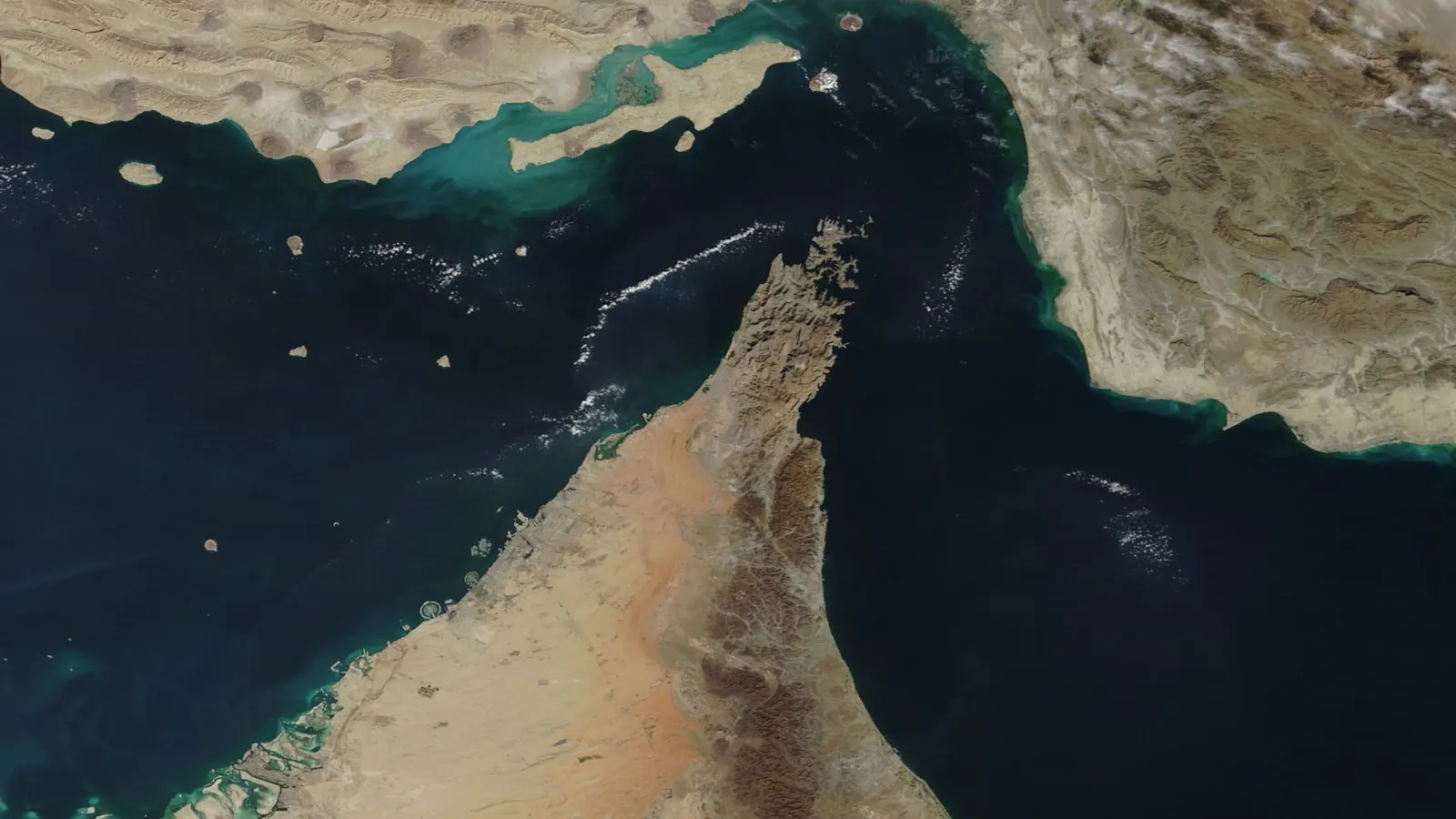
LONDON In April 2025 eight members of the OPEC+ alliance, including Saudi Arabia and Russia, began returning oil they had voluntarily held off the market 1. On 3 April they agreed to add 411,000 barrels a day (b/d) in May, three times the planned monthly step, citing “healthy market fundamentals” 1. Less than a year later, on 28 February 2026 the United States and Israel attacked Iran, and flows through the Strait of Hormuz fell from about 20 million b/d to “a trickle”, according to the International Energy Agency (IEA) 2.
The eight countries had agreed in December 2024 to start a gradual return of 2.2 million b/d of voluntary cuts from 1 April 2025 1. They said each increase could be paused or reversed if market conditions changed 13.
2025: unwinding into a falling market
In April 2025 oil fell below $60 a barrel to a four-year low amid concern over US tariffs, and Brent closed at $61.29 on 2 May 3. The next day the group agreed another 411,000 b/d for June 3. Analysts noted that Kazakhstan and Iraq were missing targets to compensate for past overproduction 3. “We continue to call this a ‘managed’ unwind of cuts and not a fight for market share,” said Giovanni Staunovo of UBS 3.
The twelve-day war between Israel and Iran in June 2025 pushed prices up and then down again within ten days 45. After Israel struck Iran on 13 June, Brent rose by more than 10% and traded at around $74 a barrel, according to The National 4. On 23 June, after Iran’s limited missile attack on a US base in Qatar left tanker traffic through Hormuz untouched, Brent fell 6.3% to $72.19 by mid-afternoon in New York, Reuters reported 5.
On 3 August the eight agreed a 547,000 b/d increase for September 6. In September they began returning a second layer of cuts, 1.65 million b/d announced in April 2023, starting with 137,000 b/d for October 4. On 2 November they added a further 137,000 b/d for December and then paused increases for January to March 2026, citing seasonality 78. The Financial Times, via the Irish Times, put the eight countries’ quota increases in 2025 at 2.91 million b/d, about 2.7% of global demand 7.
By December the IEA said North Sea Dated crude had averaged $63.63 a barrel in November, its fifth consecutive monthly fall, and that global observed inventories had reached a four-year high in October 9. It also referred to a forecast surplus averaging 3.7 million b/d from the fourth quarter of 2025 through 2026 9.
2026: war and the Strait of Hormuz
Brent closed at $73 on Friday 27 February 2026, a seven-month high 10. After the strikes on Iran the next day, tanker owners, oil majors and traders suspended shipments through Hormuz, and Iran’s Revolutionary Guards reportedly said passage was not allowed 10. In its March report the IEA said Gulf countries had cut oil production by at least 10 million b/d 2. It wrote: “The war in the Middle East is creating the largest supply disruption in the history of the global oil market.” 2 IEA members agreed on 11 March to make 400 million barrels of emergency oil available 2.
Brent rose 59% in March, its steepest monthly gain on record, according to Reuters 11. A two-week US-Iran ceasefire announced on 7-8 April briefly knocked Brent down by as much as 17%, to near $95 12. Then the US announced a naval blockade of ships travelling to and from Iran, which took effect on 13 April, and prices climbed back above $103 13. On 30 April Brent briefly reached $126.41, its highest since March 2022 14.
OPEC+ kept raising quotas on paper. On 5 April the eight agreed 206,000 b/d for May and expressed concern about “attacks on energy infrastructure” 15. But Enerdata reported that the conflict prevented much of the planned increase from taking effect 16.
How it unfolded
-
Eight OPEC+ countries agree to return 2.2m b/d of cuts from April 2025.
-
Key moment. Accelerated 411,000 b/d increase agreed for May.
-
Oil falls below $60 to a four-year low.
-
Brent drops about 6% as Iran’s response spares oil flows.
-
Return of the 1.65m b/d April 2023 cuts begins.
-
Last 2025 increase; pause for January to March 2026.
-
Key moment. US and Israel strike Iran; Hormuz shipping halts.
-
IEA members make 400m barrels of emergency oil available.
-
Ceasefire; Brent falls as much as 17%.
-
Key moment. UAE announces exit from OPEC and OPEC+.
-
Brent briefly hits $126.41.
-
North Sea Dated reaches $136.
-
Seven core members hold December targets.
-
Brent settles at $95.84; IEA says Gulf exports 26% below pre-war.
The UAE walks out
On 28 April the United Arab Emirates announced it would leave OPEC and OPEC+ from 1 May 1714. The Associated Press reported that the UAE had been producing about 3.4 million b/d before the war, against a capacity analysts put at about 5 million b/d, and had long objected to quotas it considered too low 17. “We have the highest respect for the Saudis for leading OPEC,” Mazrouei told CNBC 17. Brent traded above $111 that day, more than 50% above its pre-war price 17.
The remaining seven, Saudi Arabia, Russia, Iraq, Kuwait, Kazakhstan, Algeria and Oman, met on 3 May and agreed a 188,000 b/d adjustment for June 18, and on 2 August a further 188,000 b/d adjustment for September 19. Targets were then held at September levels for October and November 16.
A second shock and a slide
An interim US-Iran deal signed on 17 June did not hold 20. In mid-July the US reinstated its blockade and Iran struck two UAE-linked supertankers in the strait 20. Brent jumped 9.6% on 13 July, its biggest daily gain since May 2020 20. On 1 September, after two supertankers carrying Saudi oil were hit, Brent rose to $94.42, and traffic through the strait had fallen to about five ships a day 21. Prices peaked in October. The IEA said North Sea Dated crude reached $136 a barrel on 8 October 22, and the US Energy Information Administration (EIA) said the Brent spot price averaged $124 that month 23.
Then Gulf exports recovered. The IEA said Gulf exports excluding Oman reached 18.4 million b/d in October, still 26% below pre-war levels, with crude flows at 82% of pre-war levels 22. OPEC+ crude output rose to 37.72 million b/d in October from 35.71 million in September, the IEA estimated, with Saudi Arabia producing 9.99 million b/d 22. Brent fell 16% in the week to 6 November, its steepest weekly fall since the start of the Covid-19 pandemic, and settled at $92.57 on 9 November after President Donald Trump said he was highly unlikely to order fresh attacks while talks progressed, Reuters reported 24.
Where things stand
As of 18 November 2026 the war is in its ninth month, the US blockade of Iran remains and Hormuz shipping is still exposed to attack 25. Brent settled at $95.84 on 13 November, heading for a second weekly fall, while Iran’s military said explosions had struck four tankers in the strait, a claim Reuters could not verify 25. The IEA said on 13 November that Dated crude was around $93, still $22 above pre-war levels, that global stocks had fallen by 462 million barrels since the war began, and that it was speeding up the release of emergency diesel stocks 22. The EIA forecast Brent at about $100 a barrel in November and December and an average of $86 in 2027 23.
On 1 November the seven core OPEC+ members held December targets at September levels 2627. Reuters reported that most Gulf members were still producing well below their targets, and that all OPEC+ members are due to meet on 29 November, when analysts expect 2027 quotas to be set 28. “Today’s decision was the easy one,” said Jorge Leon of Rystad Energy 28.
Why it matters
In 2025 OPEC+ returned close to 3 million b/d of supply into a market the IEA expected to be in surplus, and prices fell into the low $60s 79. In 2026 the war removed far more oil than any quota decision could add, and much of the planned quota increase could not take effect because Gulf oil could not get out, according to Enerdata 216. With the UAE gone and much of the planned increase unrealised, the 29 November meeting will test what the alliance can still control 1728.
Sources and references
- Official documentOPEC, “[descriptive] Eight OPEC+ countries press release, 3 April 2025”, 3 April 2025. Link
- ReportInternational Energy Agency, “Oil Market Report – March 2026”, 12 March 2026. Link
- ArticleThe National, “[descriptive] Opec+ agrees 411,000 bpd rise for June; oil prices and Brent”, 3 May 2025. Link
- ArticleThe National, “Opec+ agrees another rise in oil output for October”, 7 September 2025. Link
- ArticleGV Wire (Reuters), “Oil falls 6% as Iran focuses retaliation on US military base”, 23 June 2025. Link
- Official documentOPEC, “[descriptive] Eight OPEC+ countries press release, 3 August 2025”, 3 August 2025. Link
- ArticleThe Irish Times (Financial Times), “Opec+ to pause oil output rises next year after warnings of glut”, 3 November 2025. Link
- Official documentOPEC, “[descriptive] Eight OPEC+ countries press release, 30 November 2025”, 30 November 2025. Link
- ReportInternational Energy Agency, “Oil Market Report – December 2025”, 11 December 2025. Link
- ArticleFortune, “[descriptive] Oil prices and tanker traffic in the Strait of Hormuz after US-Israeli strikes on Iran”, 1 March 2026. Link
- ArticleOffshore Engineer (Reuters), “Oil rises as widening conflict endangers Red Sea, Hormuz flows”, 30 March 2026. Link
- ArticleBloomberg Government, “Oil and gas prices plunge after US and Iran agree to a ceasefire”, 8 April 2026. Link
- ArticleAl Jazeera via Yahoo Finance, “Oil prices surge past $103 a barrel after US announces blockade of Iran”, 13 April 2026. Link
- ArticleOffshore Technology via Yahoo Finance, “Brent reverses from 2022 high as Strait of Hormuz remains shut”, 30 April 2026. Link
- Official documentOPEC, “[descriptive] Eight OPEC+ countries press release, 5 April 2026”, 5 April 2026. Link
- ReportEnerdata, “OPEC+ keeps November 2026 production targets unchanged amid supply disruptions”, 6 October 2026. Link
- ArticleAssociated Press (via ABC7), “United Arab Emirates says it will leave OPEC effective May 1”, 28 April 2026. Link
- ArticleArab News, “OPEC+ producers agree June output increase, reaffirm market stability commitment”, 3 May 2026. Link
- ArticleShana (Iranian Oil Ministry news agency), “Seven OPEC+ nations trim output slightly, reaffirm commitment”, 2 August 2026. Link
- ArticleThe National, “Oil prices hit highest level in a month after attacks resume in Strait of Hormuz”, 14 July 2026. Link
- ArticleAl-Monitor, “Oil jumps over 2% as tanker attacks deepen US-Iran tensions”, 1 September 2026. Link
- ReportInternational Energy Agency, “Oil Market Report – November 2026”, 13 November 2026. Link
- Official documentUS Energy Information Administration, “Short-Term Energy Outlook: Global oil markets (November 2026)”, 10 November 2026. Link
- ArticleNew Straits Times (Reuters), “Oil falls over US$7 as Trump signals restraint on Iran”, 10 November 2026. Link
- ArticleThe Nation (Thailand), citing Reuters, “Brent and WTI set for losses of about 2.5% in week to Nov 13 as surplus concerns grow”, 14 November 2026. Link
- Official documentOPEC, “Saudi Arabia, Russia, Iraq, Kuwait, Kazakhstan, Algeria, and Oman reaffirm commitment to market stability”, 1 November 2026. Link
- ReportEnerdata, “OPEC+ maintains crude oil production targets for December 2026”, 3 November 2026. Link
- ArticleReuters (via Honolulu Star-Advertiser), “OPEC+ keeps December oil output targets steady amid Iran war”, 1 November 2026. Link
Sources and references are provided for transparency and further reading. Allegations and claims are attributed to their respective sources. Triple Frontiers distinguishes reported allegations from independently established facts.
The Frontier Brief
The week’s essential international reporting and new investigations, every Friday.